
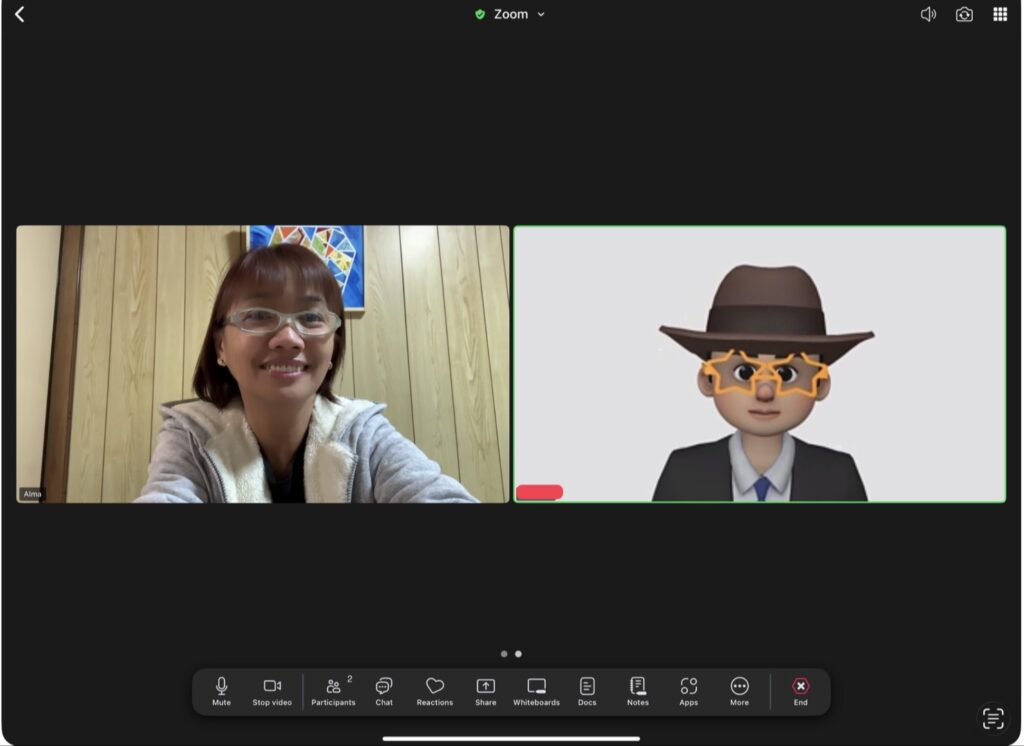
During one of my classes with HK, a high school student preparing for the Eiken Pre-2 exam, we came across the word “enable.” He then asked me, “What’s the difference between able and enable?”
At that moment, I realized something important—he is now able to ask questions. And not just simple questions, but deeper ones about nuance, word choice, and why certain expressions work in one sentence but not in another.
I found that question very revealing because it showed how much vocabulary and understanding he has gained throughout our years of online study. Moments like that make me truly proud of the dedication and focus he brings to every lesson.
We started when he was still in elementary school, back when his mom would set up the computer for him before class. Now, he has his own laptop and even coordinates his schedule with me directly.
As a teacher, I couldn’t be more proud of how far we’ve come together.
Moments like these are what make being a teacher so fulfilling. And while he often expresses appreciation for my help, I’m equally grateful to him for giving deeper meaning to my effort.
「生徒たちの上達、どうな時に分かりますか?」
英検準2級対策をしている高校生HK君との授業中、「enable」という単語がでてきました。彼はそこで「ableとenableの違いは何?」と私に質問してきました。
その瞬間、私はとても大切なことに気づきました。彼は今や「質問ができる」ようになっているのです。ただ単に質問できるだけではなく、ニュアンスや単語の使い分け、なぜある表現は使えて、別の表現は使えないのかといった、より深い内容についても疑問を持てるようになっていました。
その質問はとても衝撃的で、長年のオンライン学習を通して彼がどれほどの語彙力と理解力を身につけてきたかを実感させてくれました。こうした瞬間が、彼が毎回の授業にどれほど真剣に取り組んでいるかを思い出させてくれます。
HK君とは小学生の頃から一緒に学習を始めました。当時はお母さんが授業前にパソコンを準備してくれていましたが、今では自分のノートパソコンを使い、自分でスケジュール調整までしてくれるようになりました。
教師として、ここまで一緒に歩んでこられたことをとても誇りに思います。
このような瞬間に、教師という仕事をとても誇らしく思います。彼は常に私の手助けに感謝してくれます。一方で、私自身も彼から、教師としてあるべき努力に深い意味を与えてもらっていることに心から感謝しています。


コメント